
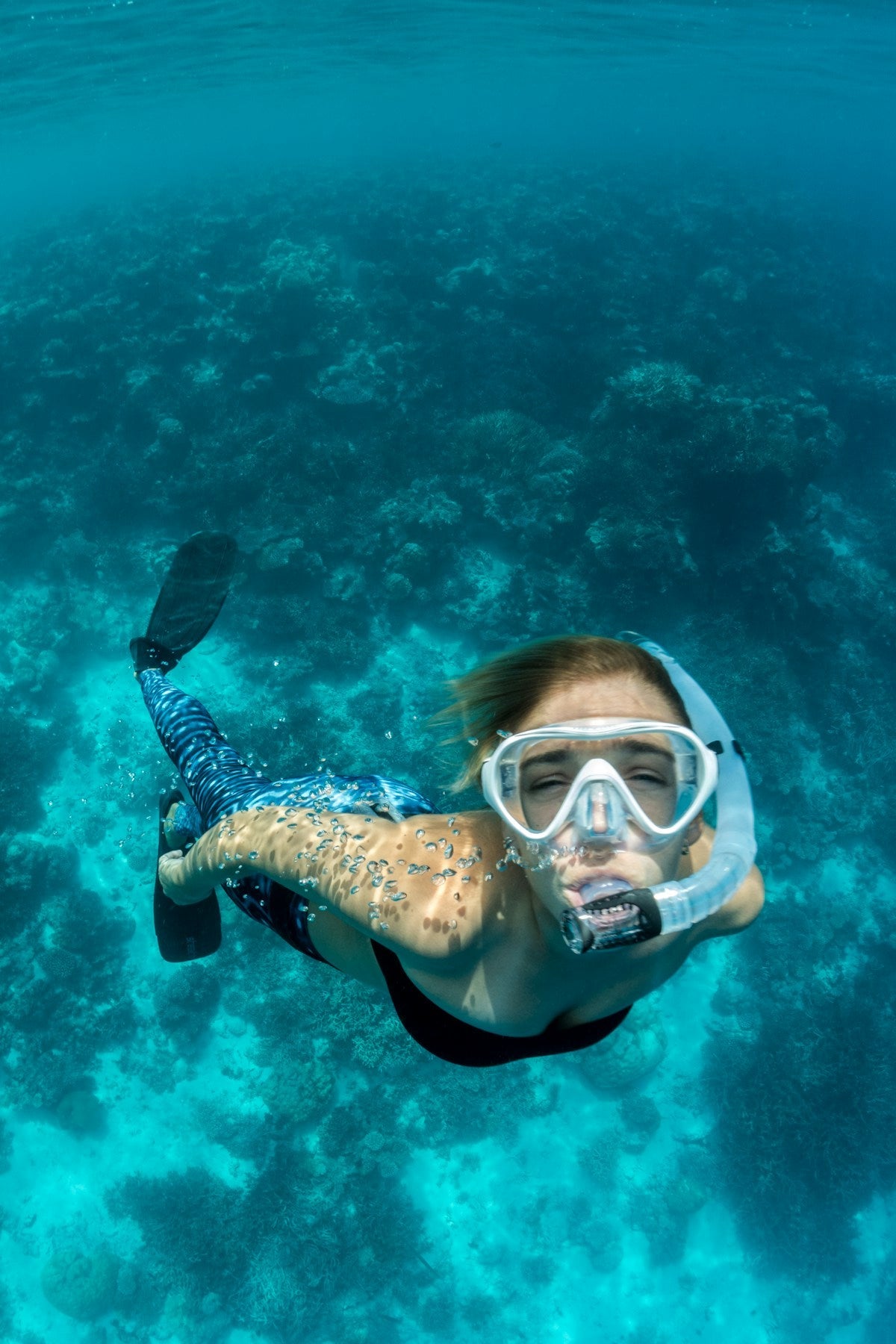
Choose a guided introduction
For a first snorkeling experience, choose a reputable operator or instructor who provides a real briefing and suitable supervision. Ask how beginners are supported, what conditions lead to cancellation, and how the group enters and exits. Tell the operator honestly about your swimming ability and previous experience.
A booking described as easy still needs to suit the individual. If you are not a confident swimmer, seek an appropriately supported introductory program rather than assuming a flotation aid turns an open-water excursion into a swimming lesson. Ask about any health concerns with a clinician familiar with the planned activity before traveling.
Understand the setting from the shore
Identify the entry, planned exit, alternative exit, and the area where the group will remain. Check local ocean conditions and listen to the briefing about currents, waves, wildlife, and boat traffic. The National Park Service specifically highlights condition checks, equipment checks, buddies, and attention during entry and exit.
Look back at the landing from the water with your guide so you recognize it from that perspective. A row of similar boats or an unfamiliar shoreline can look different with your face near the surface. Knowing what you are returning to should be part of the briefing, not a puzzle at the end.
Practice the equipment before exploring
Have the guide check the mask, snorkel, fins, and appropriate flotation. Learn how to signal discomfort, stop, and get assistance. Practice the skills the instructor teaches in a controlled setting before heading toward a reef or following wildlife.
Give yourself time to become comfortable breathing through the snorkel at the surface. If the equipment is uncomfortable, return to a supported position and have it adjusted. Do not accept a leaking mask, painful fin, or difficult mouthpiece as something you must simply tolerate to keep up with the group. Small problems deserve attention early.
Make the buddy system active
Agree on who your buddy is and how you will remain aware of one another. Two people entering at the same time are not necessarily watching each other. Keep the guide’s communication signals and group boundaries clear. Recheck the buddy arrangement if someone leaves the water.
Keep this first experience at the surface. Breath-hold diving introduces additional risks and requires appropriate training and supervision. DAN warns that hyperventilation can suppress the urge to breathe without preventing dangerously low oxygen. Do not practice hyperventilation, underwater breath-holding competitions, or prolonged breath-hold challenges during a snorkeling outing.
Watch wildlife without pursuing it
Choose viewing distance and body position that keep you away from coral and marine life. NOAA advises against touching, standing on, feeding, or chasing reef organisms. If you need to adjust equipment, use the method and supported location the guide has identified; a coral head is not a convenient seat.
Leave the camera ashore for the first few minutes or the whole introductory session. Learning where your fins are and staying aware of the buddy is a better first task than composing footage. Wildlife encounters often become more enjoyable when you pause and observe instead of trying to close the distance.
Finish while the experience still feels comfortable
Signal the guide if you become cold, tired, short of breath, dizzy, or unwell, and get help returning to support and leaving the water. Significant breathing difficulty or chest discomfort needs urgent attention. Do not continue just because the scheduled session has time remaining.
Afterward, record which equipment fit and what you would like to practice next. A short, calm first session is useful progress. Plan the next outing around the skills and conditions you know, then develop gradually with qualified support. The underwater world offers plenty to see without turning the day into a test of distance or endurance.
Sources and further reading
Original editorial guidance. Linked organizations do not endorse or sponsor Watersports Supply. Use qualified instruction and local guidance for your activity.